IRRIGATION MANAGEMENT
MOBILE APPLICATION
PROJECT OVERVIEW
I served as the Product Manager for an IoT-based irrigation management platform designed to help users monitor, manage, and optimize irrigation systems through connected devices and real-time data. The platform translated complex sensor data into actionable insights, enabling more efficient water usage and informed decision-making.
APPLication BUILT
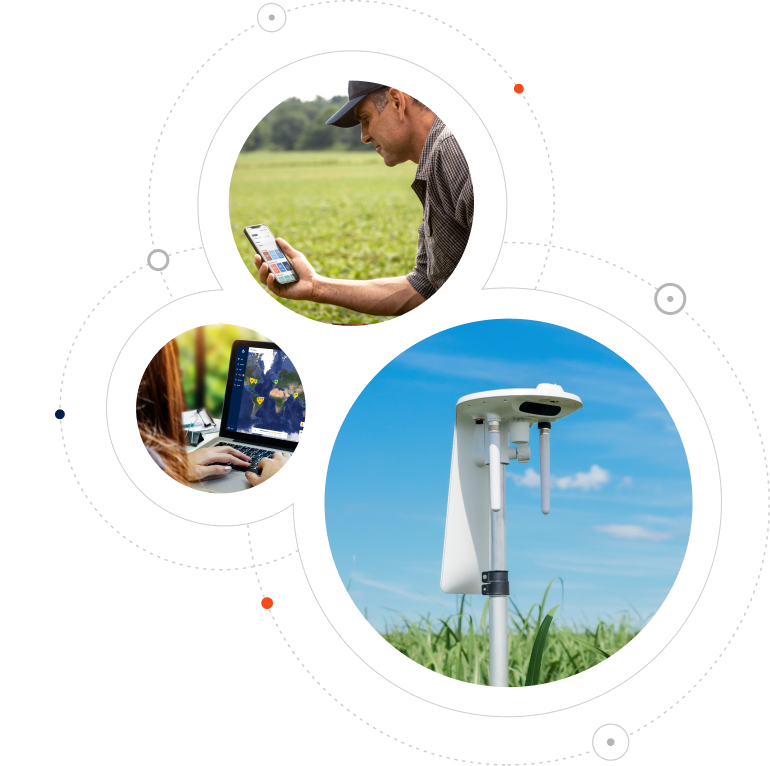
Arable’s IoT irrigation management platform connects field sensors, data, and analytics into a single interface, giving growers real-time visibility into irrigation performance and the insights needed to optimize water usage.

THE CHALLENGE
Building an IoT platform introduces both technical and organizational complexity. The product needed to integrate hardware-generated data, support real-time monitoring, and present information in a clear, usable interface—while coordinating work across time zones, cultures, and disciplines.
Key challenges included:
Translating IoT data and system constraints into clear product requirements
Aligning front-end and back-end teams across geographies
Maintaining velocity and shared understanding despite asynchronous collaboration
Balancing technical feasibility with usability and business goals
MY ROLE
As Product Manager, I owned the product vision, roadmap, and day-to-day execution. I acted as the connective tissue between stakeholders, the local UI development team, and the offshore back-end engineering team.
My responsibilities included:
Defining product requirements and prioritizing the backlog
Translating business and user needs into clear user stories and acceptance criteria
Coordinating across front-end and back-end teams to ensure alignment
Managing dependencies, trade-offs, and delivery timelines
Facilitating communication across time zones to keep work moving forward
Product & Development Approach
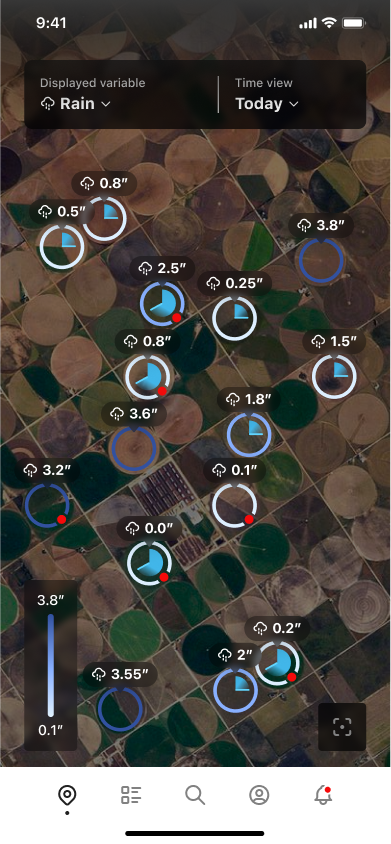
We followed an iterative, Agile approach that emphasized clarity, documentation, and frequent alignment. Close collaboration with the UI team ensured the interface remained intuitive and grounded in user needs, while ongoing coordination with the back-end team supported reliable data ingestion, processing, and system performance.
Regular touch points, clear handoffs, and well-defined requirements were critical to maintaining momentum and minimizing friction across teams.
The OUTCOME
The platform delivered a cohesive experience that connected IoT infrastructure with a user-friendly management interface. By aligning distributed teams around a shared product vision and prioritizing clear communication, we were able to move efficiently from concept to implementation while laying the foundation for future enhancements and scalability.